In this environment, the competencies required of forestry professionals are expanding. Technical expertise in silviculture, planning, and operations remains essential, but it is no longer sufficient on its own. Today’s foresters must also demonstrate resilience under pressure, clarity of perception in complex ecosystems, and the ability to engage constructively with diverse perspectives. These are not traditionally taught as core forestry skills, yet they increasingly influence the quality of decisions, leadership effectiveness, and long-term outcomes on the land.
Applied Forest Relational Intelligence (AFRI) Training has been developed in response to this shift. Emerging from the forestry landscapes of British Columbia, Canada — a region known globally for both its ecological diversity and its complex forest management challenges — AFRI represents a new layer of professional development. It is designed to strengthen the human capacities that support effective forestry practice, including attention, awareness, resilience, and relationship-centred thinking.




contact the forest
250.547.2001

distance learning
index
camp
programs
REGULAR REGISTRATION
Applied Forest Relational Intelligence (AFRI) Training
Distance Learning Certification Program Regular Cost: $2800.00 (Canadian Dollars)
You may register using this secure Paypal link:
Yasei Shinrin Yoku
and Spiritual Stewardship
Nature is returning as a key element within the human spiritual experience. Don Elzer talks about how Yasei Shinrin Yoku delivers a practice where-by we create a working relationship with nature through stewardship.
Applied Forest Relational Intelligence (AFRI) Training
Professional Development for the Next Era of Forestry
Forestry is entering a period of profound transition. Across regions and jurisdictions, professionals are being asked to navigate increasingly complex ecological conditions shaped by climate change, wildfire dynamics, biodiversity pressures, and shifting social expectations. At the same time, public scrutiny of forest management has intensified, requiring not only sound technical decisions but also the ability to communicate, engage, and build trust with communities who hold deep and often emotional relationships with forest landscapes.

Wildcraft
Forest School
You may also register by Interac or
Wells Fargo Transfer. Send us an email and we will send you instructions.
If you have questions please email us or call 250.547.2001
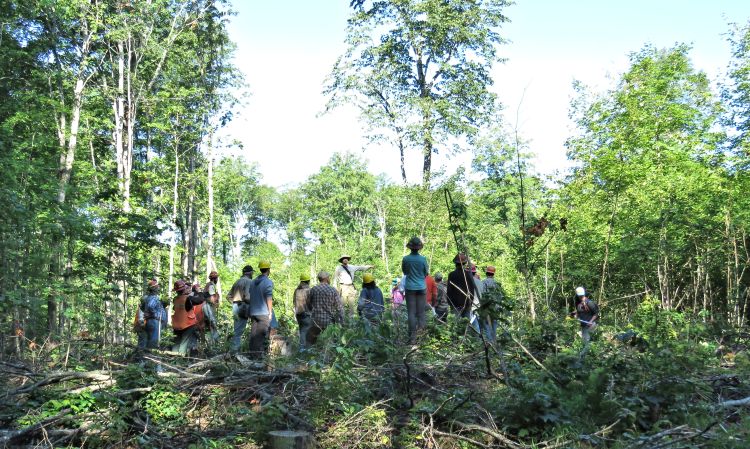
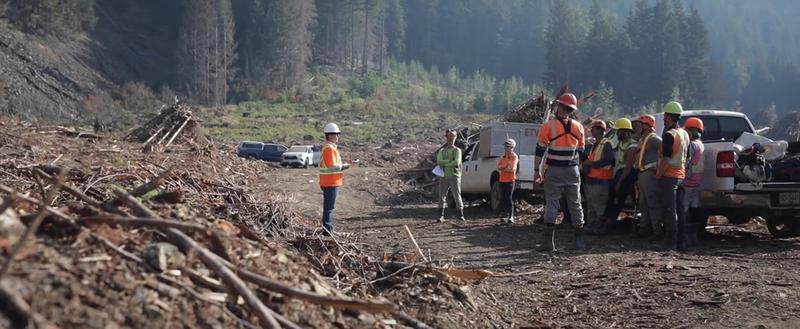
For professionals in the public service, AFRI aligns with the growing need for integrated approaches to land management that consider ecological, social, and cultural dimensions simultaneously. It supports leadership capacity, policy development, and public engagement efforts by strengthening awareness, communication, and relational understanding.
At its core, AFRI recognizes that forestry is not only a technical discipline but also a human one. The decisions made by professionals today will shape forest landscapes for generations. Supporting those professionals with the skills to perceive clearly, think adaptively, and engage constructively is essential for the future of forestry.
This program offers an opportunity to expand professional capacity in a way that is both practical and forward-looking. It builds on existing expertise while introducing new methods that respond directly to the realities of contemporary forest management. As forestry continues to evolve globally, AFRI provides a pathway for professionals to meet that evolution with clarity, resilience, and a strengthened sense of stewardship.
Curriculum Highlights
The AFRI Training curriculum is designed to integrate directly with professional forestry practice while expanding key human competencies.
Field-Based Attentional Training
- Develop the ability to sustain focused awareness in complex environments, improving ecological observation and reducing cognitive fatigue.
- Ecological Perception and Pattern Recognition
- Strengthen the capacity to notice subtle relationships within forest ecosystems, supporting more informed and adaptive decision-making.
Professional Resilience and Cognitive Readiness
- Learn practical methods to maintain composure, clarity, and effectiveness under pressure in operational forestry contexts.
- Relational Intelligence in Forestry Practice
- Build skills for engaging with communities, stakeholders, and colleagues through listening, presence, and relationship-based communication.
Stewardship and Long-Term Thinking
- Explore approaches that support intergenerational responsibility and regenerative forestry perspectives.
Leadership Presence in the Field
- Enhance the ability to lead with clarity and confidence in both field and organizational settings.
Who Should Take This Program
AFRI Training is designed for professionals working across the forestry sector, including:
- Professional foresters and forest technicians
- Forest company managers and operational leaders
- Community forest practitioners and board members
- Government forestry and natural resource staff
- Environmental planners and land-use professionals
- Indigenous forestry and stewardship leaders
- Forest therapy practitioners seeking professional application pathways
This program is particularly valuable for those working in environments where ecological complexity, public engagement, and long-term decision-making intersect.
Program Delivery
AFRI Training is delivered through a flexible and accessible distance learning format, allowing participants from across regions and countries to engage fully with the material.
The program includes:
- Online PDF Lessons
- Structured modules that present core concepts, frameworks, and practical applications in a clear and professional format.
- Video Presentations
- Guided instruction that demonstrates key practices and provides deeper insight into field-based methodologies.
- Live Online Conferences
- Interactive sessions that support discussion, integration, and shared learning with instructors and fellow participants.
Participants are encouraged to engage with the material in their own local forest environments, allowing for direct application of the training within their professional context.
Registration
Enrollment in Applied Forest Relational Intelligence (AFRI) Training is now open.
This program offers a unique opportunity to strengthen the human skills that support effective forestry practice in a rapidly changing world. Whether you are working in industry, community forestry, or public service, AFRI provides practical tools to enhance your professional capacity and deepen your connection to the landscapes you manage.
Join a growing network of forestry professionals who are expanding what it means to lead, observe, and steward forests in the 21st century.
The regular registration cost for this program is $2800.00 per person (Canadian Dollars).
AFRI is built upon the experiential foundations of Yasei Shinrin Yoku, a form of forest immersion that emphasizes direct engagement with living systems. However, this program has been carefully translated into a professional context. It is not a wellness retreat or a departure from forestry culture. Instead, it is a structured training that equips professionals with practical, field-relevant methods to improve how they observe, think, and lead within forest environments.
The rationale for AFRI is straightforward: how we perceive forests influences how we manage them. When attention is fragmented or fatigued, important ecological signals can be missed. When stress levels are high, decision-making can narrow. When communication breaks down, even well-informed management strategies can face resistance. AFRI addresses these challenges by strengthening the underlying human processes that shape professional performance.
For forest companies, this training supports workforce resilience, leadership development, and improved decision-making in complex operational environments. Organizations benefit from teams that are more focused, adaptive, and capable of navigating both ecological and social complexity with greater confidence.
For community forests and local governance structures, AFRI enhances the ability to engage meaningfully with stakeholders, build trust, and foster collaborative stewardship approaches. It provides tools that help bridge technical knowledge with community values, supporting more inclusive and effective decision-making processes.

Yasei Shinrin Yoku Forest Therapy Index
Wildcraft Forest School - Online Programs